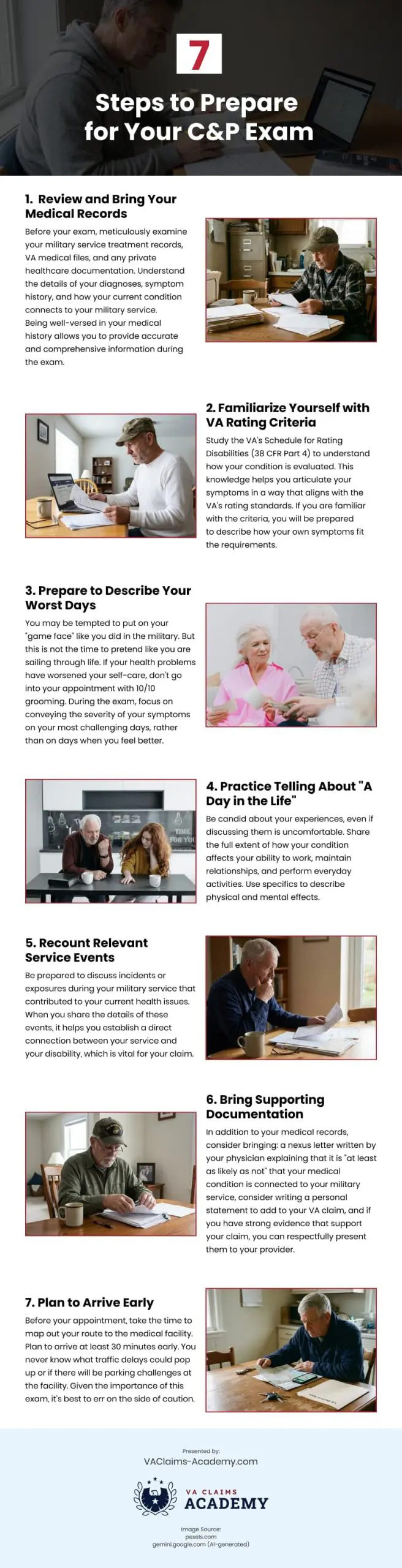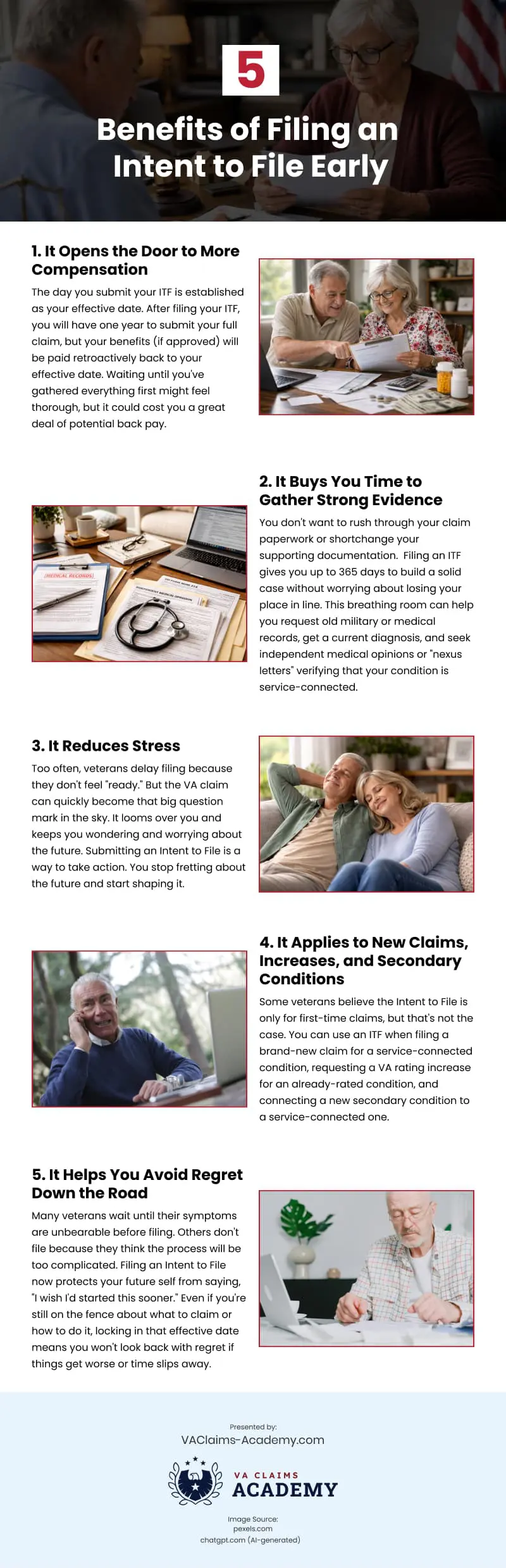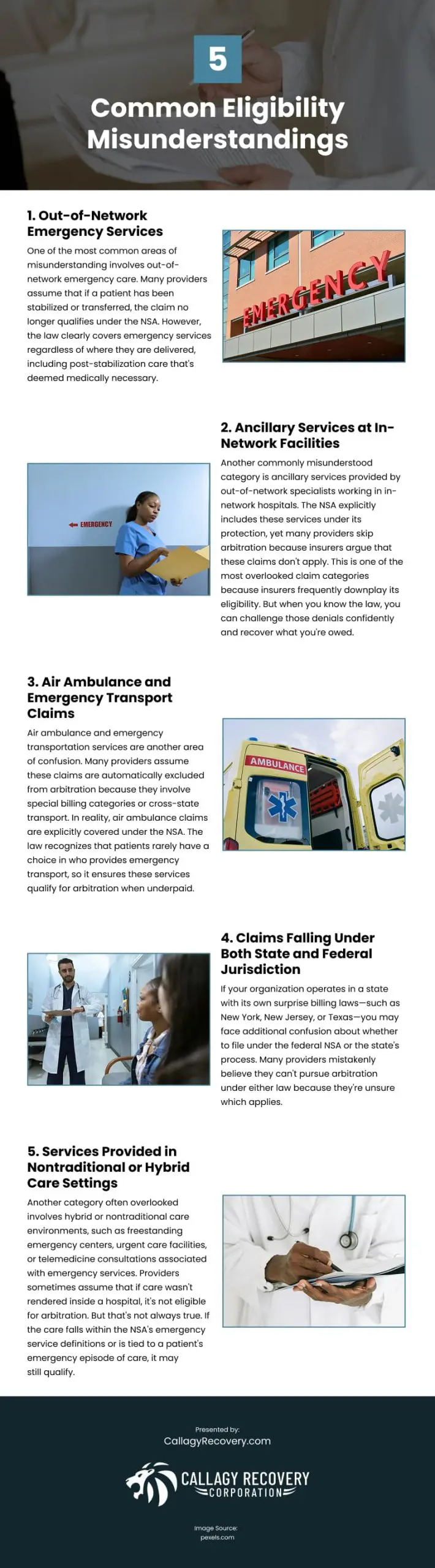
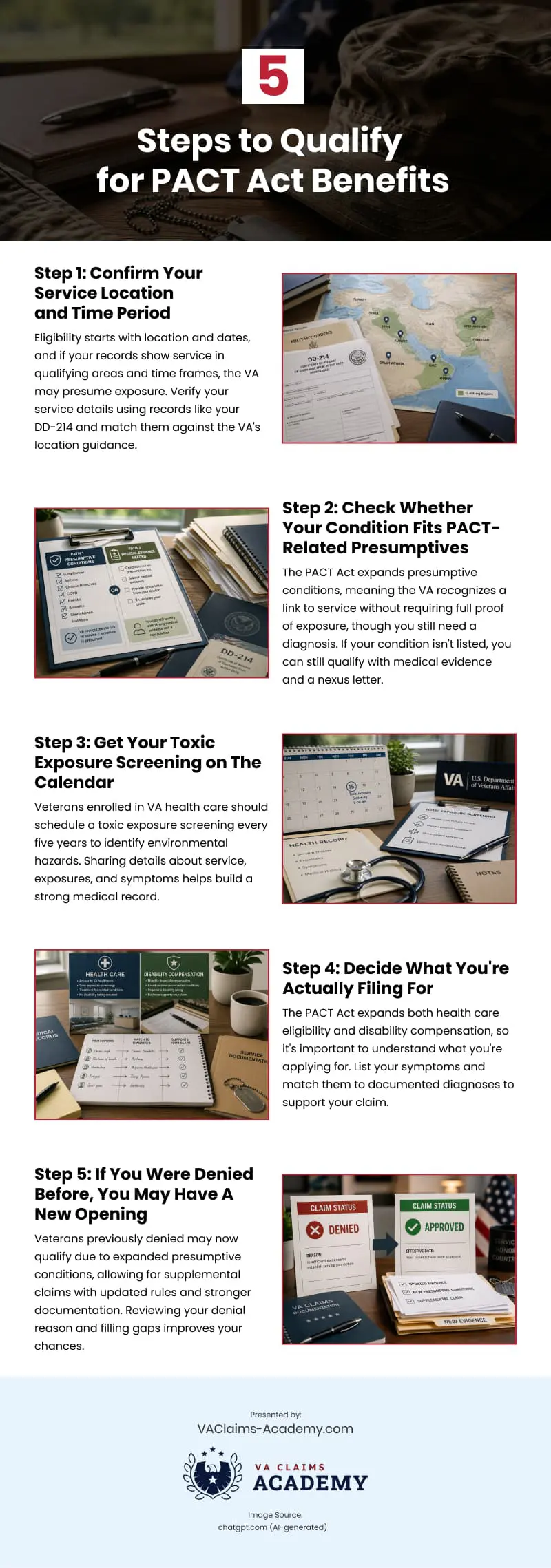
The PACT Act expands VA health care and disability benefits for veterans exposed to toxins such as burn pits, Agent Orange, asbestos, jet fuel, contaminated water, and other hazardous substances during military service. Determining eligibility begins by confirming your service locations and dates because the VA uses specific qualifying areas and time periods to presume exposure. Service records like a DD-214 can help verify whether your military history matches current VA guidelines. The law also broadens the list of presumptive conditions, meaning veterans may qualify for benefits without needing to fully prove exposure if they have an eligible diagnosis connected to their service. Even if a condition is not officially listed, medical evidence and a nexus letter may still support a claim. Veterans enrolled in VA health care should also schedule regular toxic exposure screenings to document symptoms, exposures, and health concerns, helping create a stronger medical record over time. Understanding whether you are applying for health care benefits, disability compensation, or both is another important part of the process, especially when matching symptoms to documented diagnoses. Veterans who were denied benefits in the past may now have another opportunity under updated PACT Act rules and expanded presumptive conditions. Reviewing previous denial reasons, updating records, and strengthening documentation can improve the likelihood of a successful claim and help veterans access the care and support they deserve.
source: https://www.vaclaims-academy.com/how-to-qualify-for-pact-act-compensation/
Comments
Download this infographic.