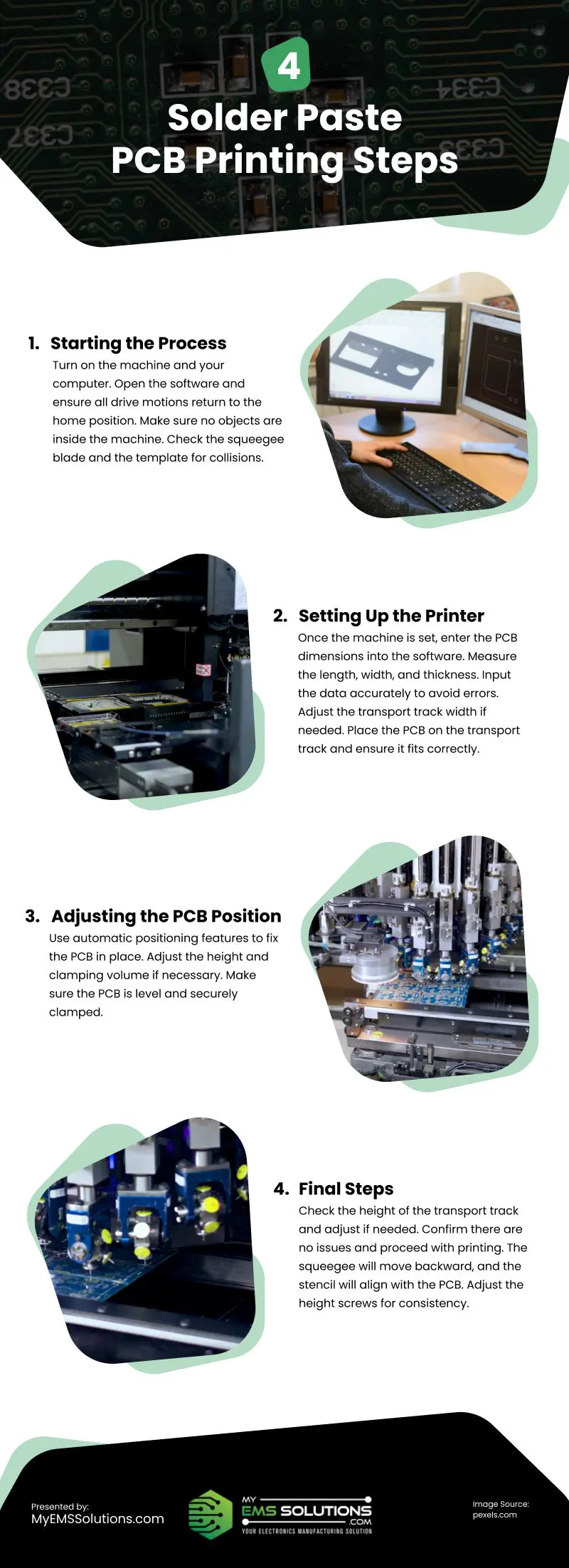
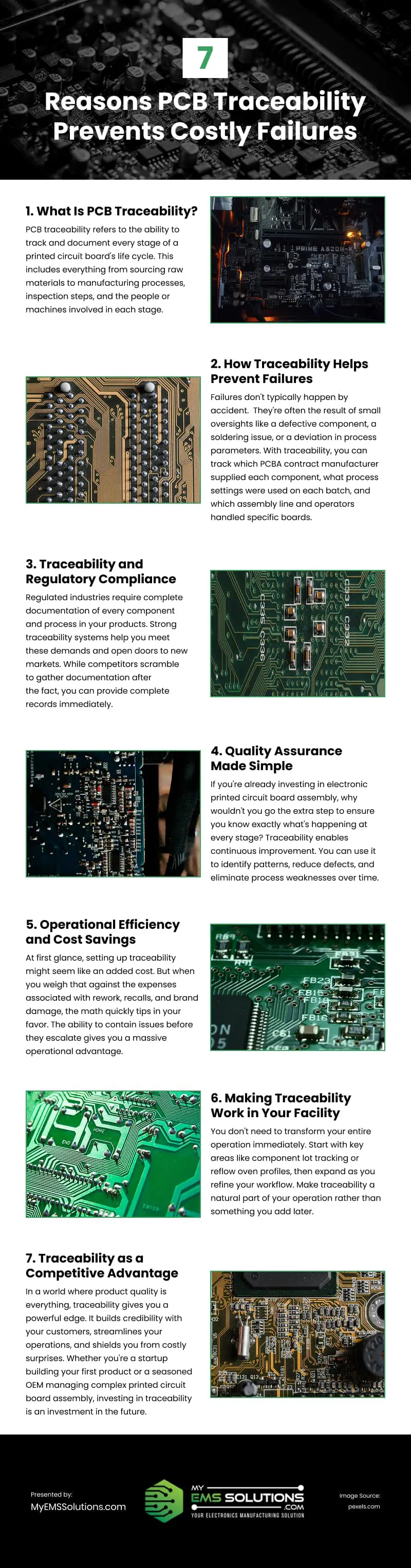
PCB traceability is more than a quality control tool; it’s your early warning against failures, rework, and compliance issues. It lets you track every step in a printed circuit board’s lifecycle, from sourcing components to final assembly and inspection. This visibility gives you the power to trace defects back to specific batches, machines, or even individual operators, helping you pinpoint problems and prevent them from recurring. In regulated industries, traceability is not optional; it’s essential. It provides the detailed documentation required to meet global compliance standards, enabling faster market entry and stronger customer trust. Beyond compliance, traceability boosts quality assurance by revealing patterns that can lead to fewer defects and smarter process improvements. While some may see traceability as an upfront cost, it ultimately reduces long-term expenses associated with recalls, customer complaints, and brand damage. By implementing traceability gradually, starting with high-impact areas like lot tracking or soldering parameters, you make it an integral part of your workflow. In an industry where reliability, accountability, and speed matter, traceability becomes a powerful competitive edge. Whether you’re a startup or an OEM, investing in traceability supports continuous improvement and protects your products, profits, and reputation.
source: https://www.myemssolutions.com/why-pcb-traceability-matters-in-preventing-failures/
Comments
Download this infographic.