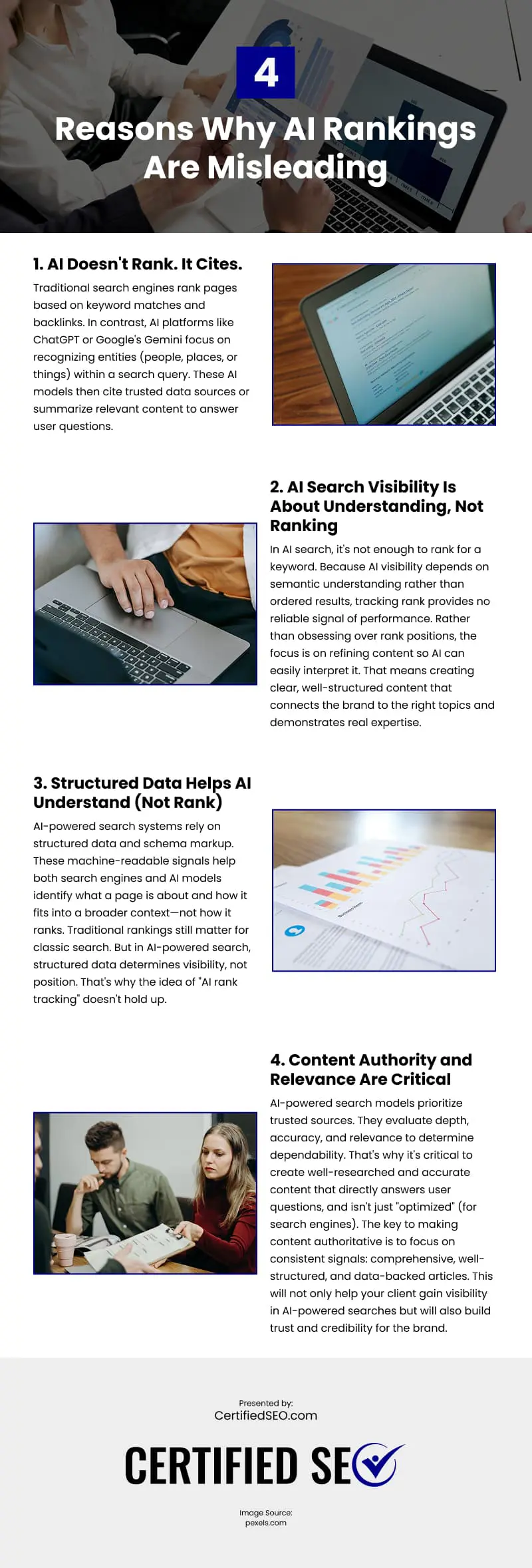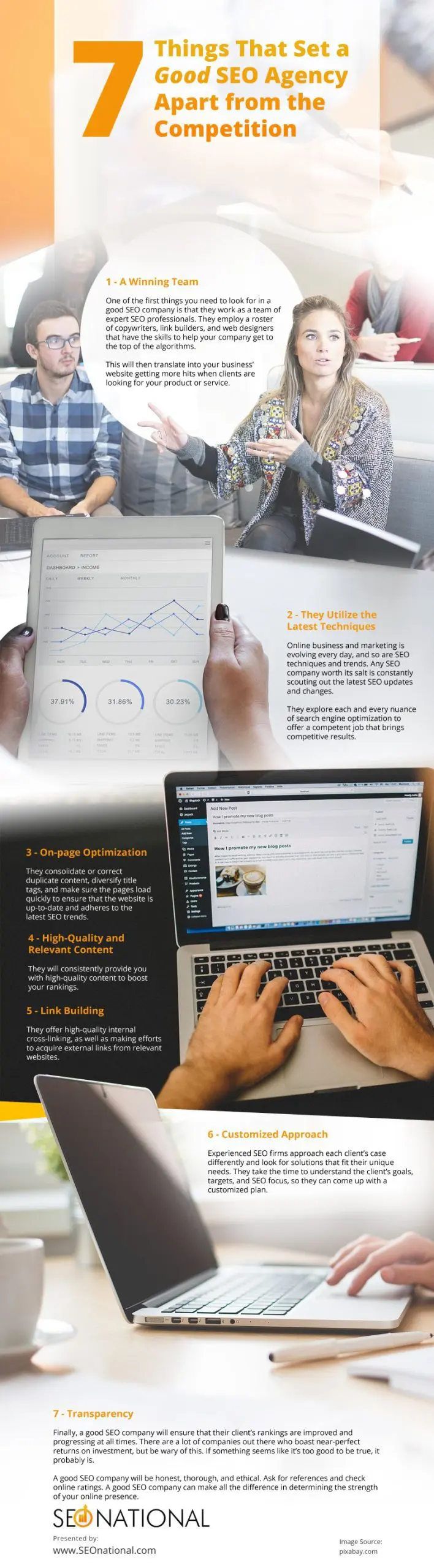

SEO success is not determined by rankings alone. A website can rank highly for keywords that generate traffic but fail to attract qualified prospects, resulting in little impact on actual business growth. Effective SEO goal setting begins by identifying the primary business constraint, whether that is low lead volume, poor lead quality, limited brand visibility, or weak conversion rates. Once that challenge is clear, SEO efforts can be aligned with measurable business outcomes rather than vanity metrics. Instead of focusing primarily on rankings, businesses should choose a core metric tied directly to revenue, qualified leads, appointments, or sales, while treating rankings and traffic as supporting indicators. A strong strategy also separates controllable actions, such as publishing content, improving technical SEO, and optimizing pages, from earned outcomes like increased conversions and organic growth. Rather than chasing individual keywords, businesses benefit more from establishing authority around broader topics that align with customer needs and purchasing intent. Realistic timelines with defined checkpoints help track progress and maintain momentum while avoiding unrealistic expectations about how quickly SEO results appear. For businesses serving specific geographic markets, local search intent should remain a major focus through location-based optimization and content that targets nearby customers. Finally, successful SEO requires prioritization. Trying to improve every aspect of a website simultaneously often leads to diluted effort and slower results. The strongest SEO strategies focus on the activities most likely to impact business growth and execute them consistently over time, creating sustainable visibility that supports long-term revenue generation.
source: https://www.seonational.com/how-to-set-seo-goals-that-actually-drive-business-growth/
Comments
Download this infographic.