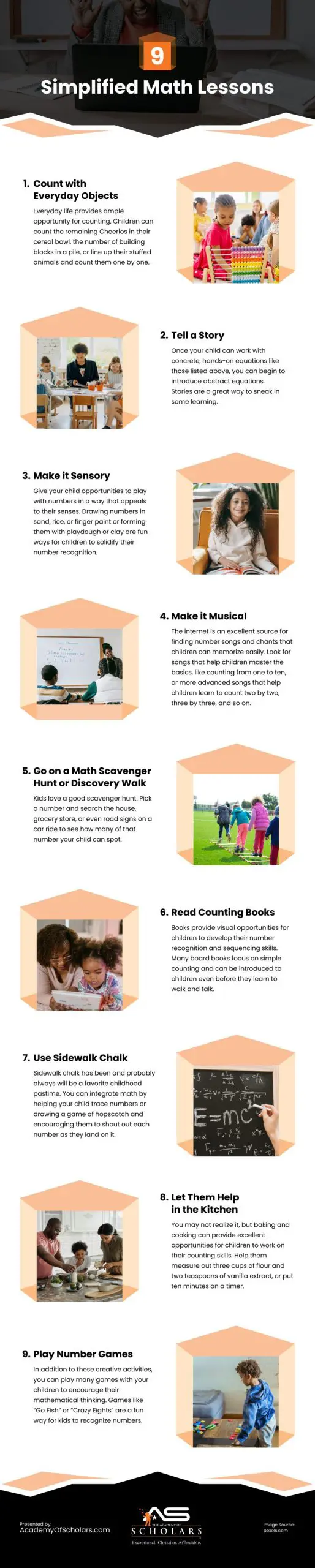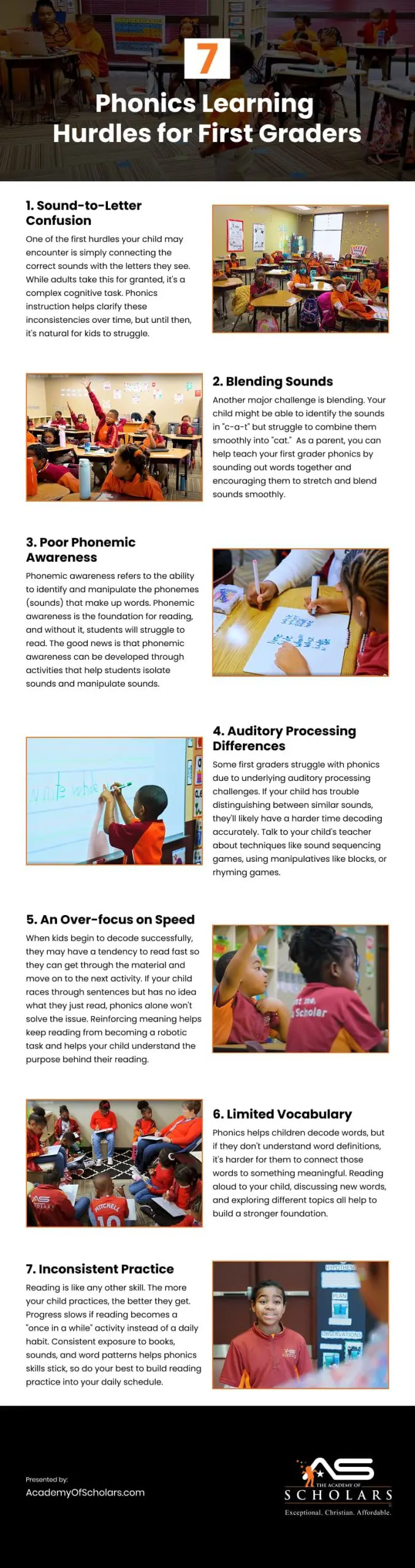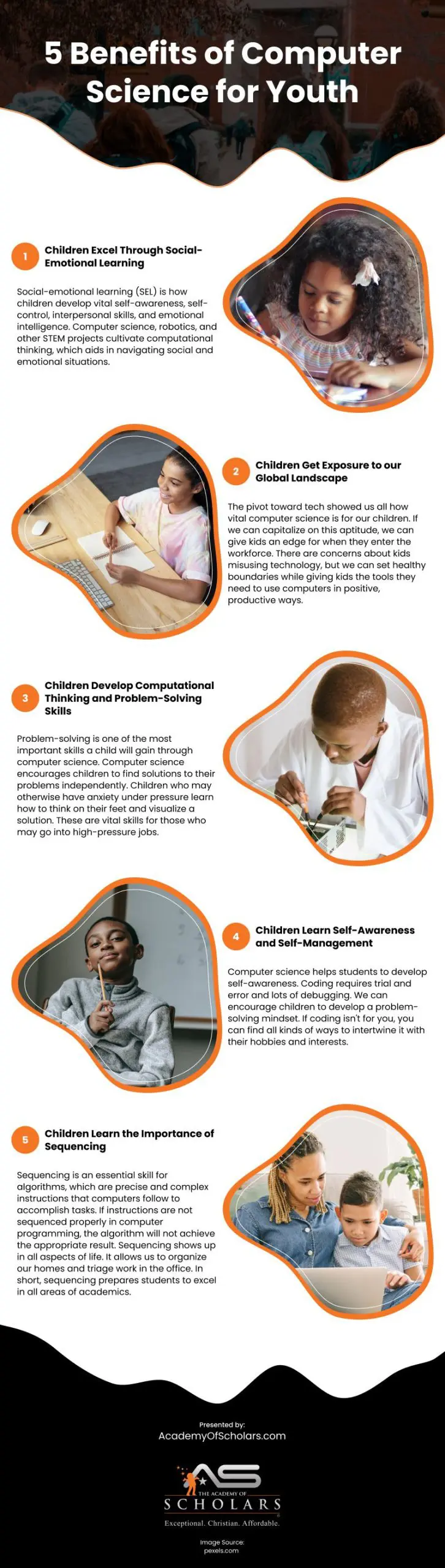
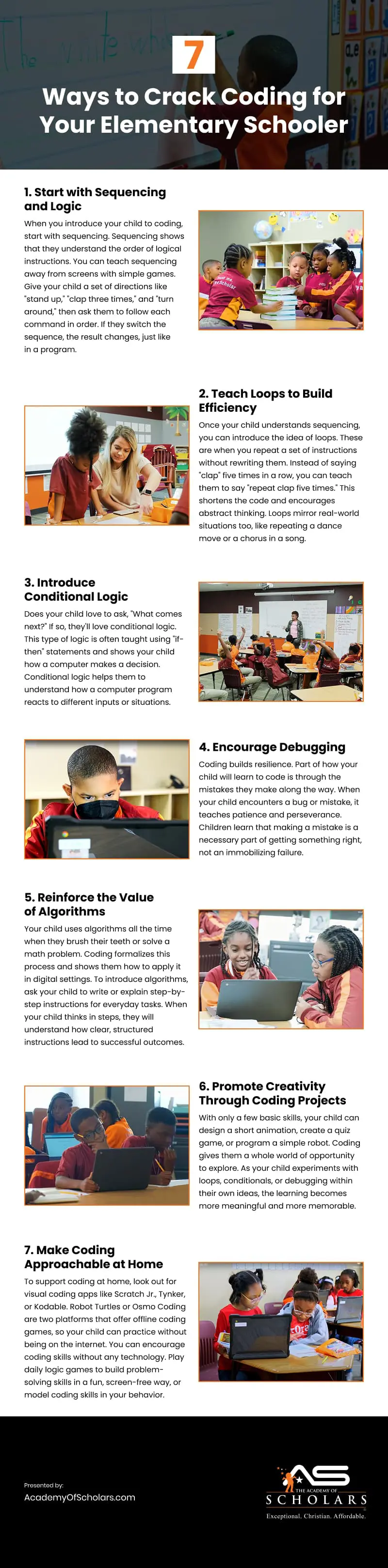
Coding is often described as a new form of literacy, and introducing children to it early can build valuable problem-solving and thinking skills without requiring parents to be tech experts. Learning can begin with simple concepts like sequencing, where children follow instructions in a specific order, helping them understand how actions lead to outcomes. As they progress, ideas like repetition and patterns can be introduced to show how tasks can be simplified and made more efficient. Decision-making skills also play a role, as children learn how different inputs lead to different results, mirroring how programs respond to conditions. Mistakes are an essential part of the process, teaching resilience, patience, and the importance of refining solutions through trial and error. Everyday routines can also reinforce structured thinking, as children learn to break tasks into clear, step-by-step instructions. As confidence grows, coding becomes a creative outlet, allowing kids to build simple games, animations, or projects that make learning more engaging and meaningful. Parents can support this development through both digital tools and offline activities, making coding approachable and fun. By focusing on foundational concepts and encouraging curiosity, children can gradually develop skills that grow alongside their interests and prepare them for a technology-driven world.
source: https://academyofscholars.com/7-ways-to-crack-coding-for-your-elementary-schooler/
Comments
Download this infographic.