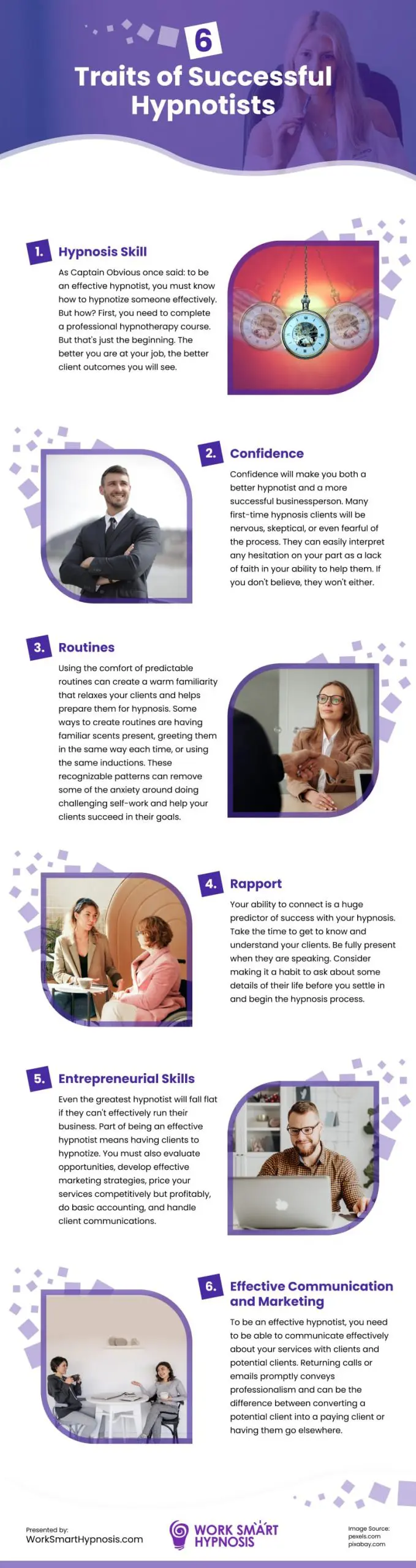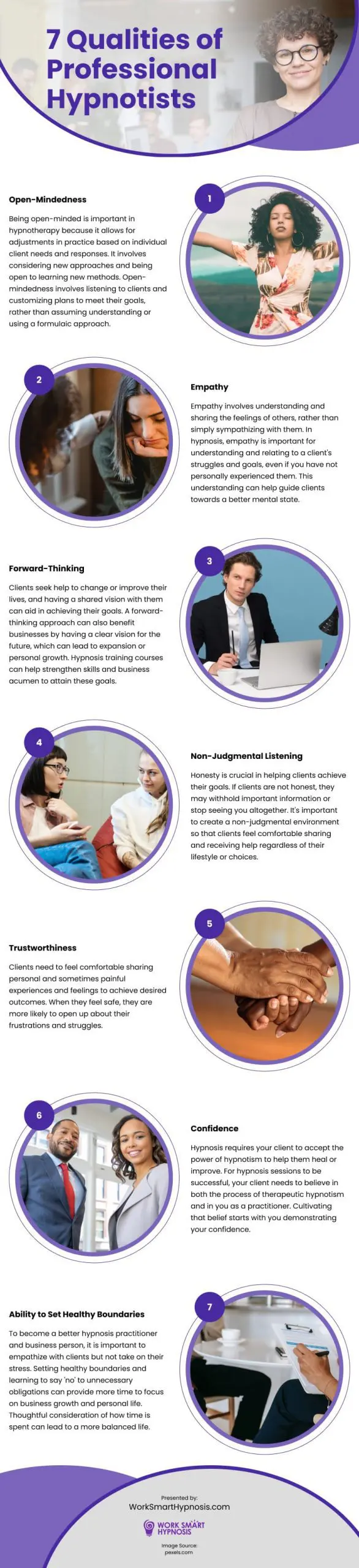

Hypnosis certification can play a major role in helping practitioners move from basic competency to long-term professional credibility by providing structure, guidance, and practical experience that supports both clinical skill and business growth. Certification programs typically teach practitioners how to organize sessions into clear phases, creating consistency and direction even in complex client situations. This structured approach also improves communication skills, helping hypnotists explain the process clearly, set realistic expectations, and address concerns in ways that build trust and client confidence. Ethical training is another key benefit, as certification emphasizes consent, professional boundaries, and recognizing when referrals to other healthcare professionals are appropriate, helping protect both clients and practitioners alike. Beyond technical skill, certification adds professionalism and credibility to a practice, making services appear more reliable, organized, and trustworthy to prospective clients. Supervised practice, demonstrations, and direct feedback also accelerate development in ways that self-study alone often cannot, improving adaptability and confidence during real sessions. Certification additionally supports long-term growth by connecting practitioners with mentors, peers, and opportunities for continued specialization and collaboration. On a personal level, the training process often strengthens qualities such as patience, emotional control, calm authority, and leadership presence, all of which positively influence client interactions. Overall, certification provides a solid foundation that helps hypnosis practitioners deliver services more consistently, communicate more effectively, and grow their practices with greater confidence and professionalism over time.
source: https://worksmarthypnosis.com/hypnosis-certification-benefits-for-growth-and-success/
Comments
Download this infographic.