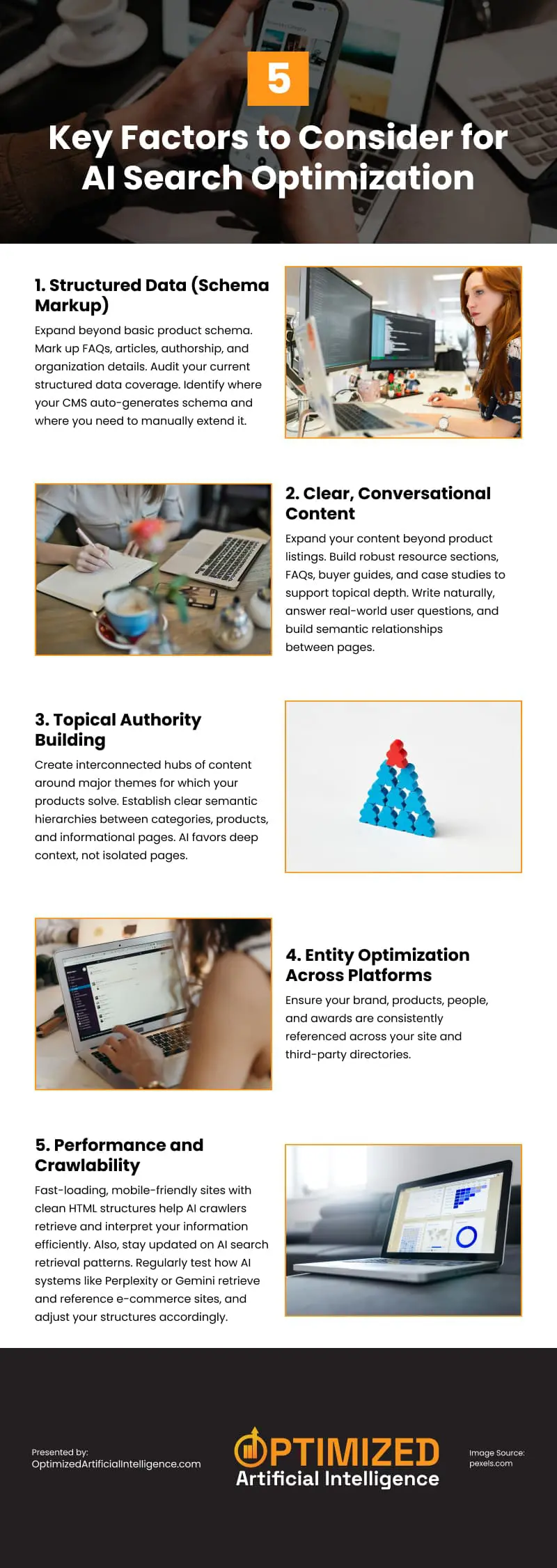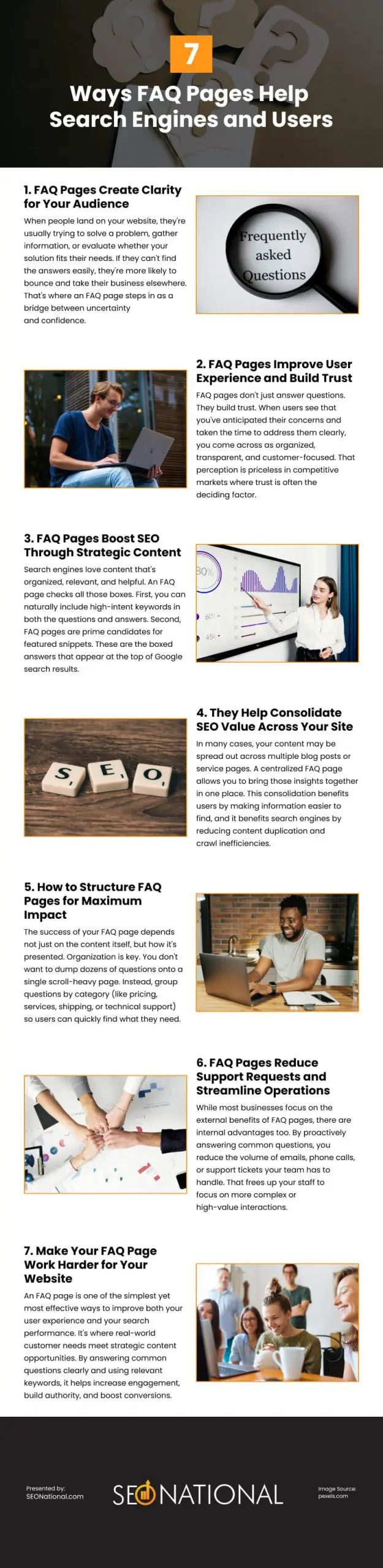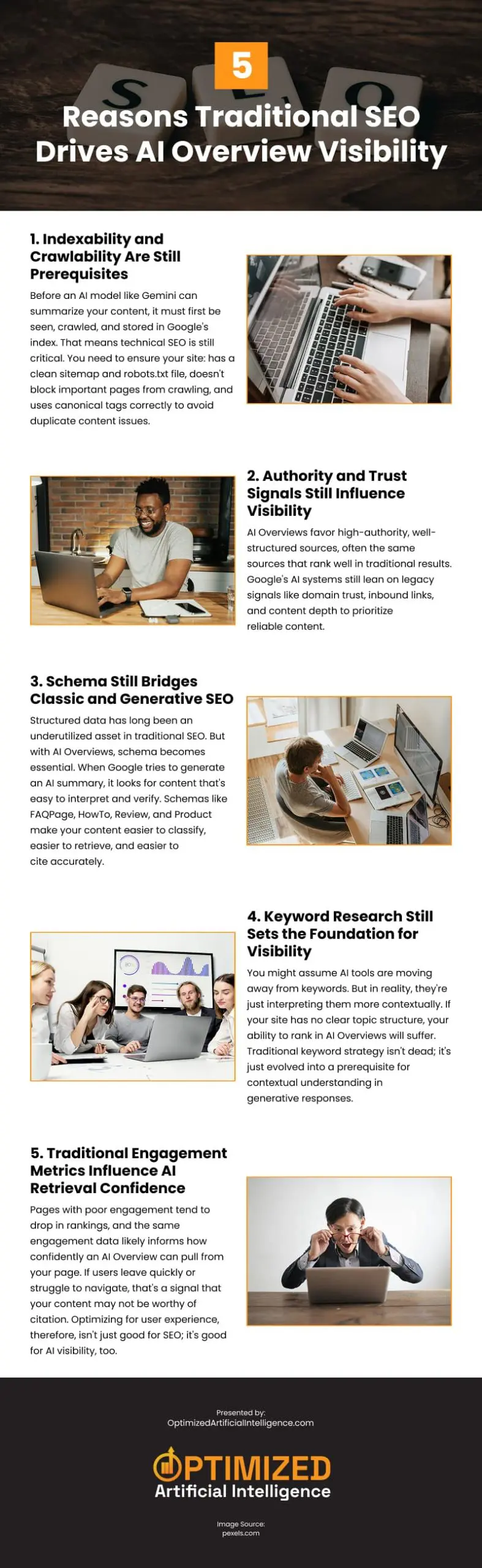
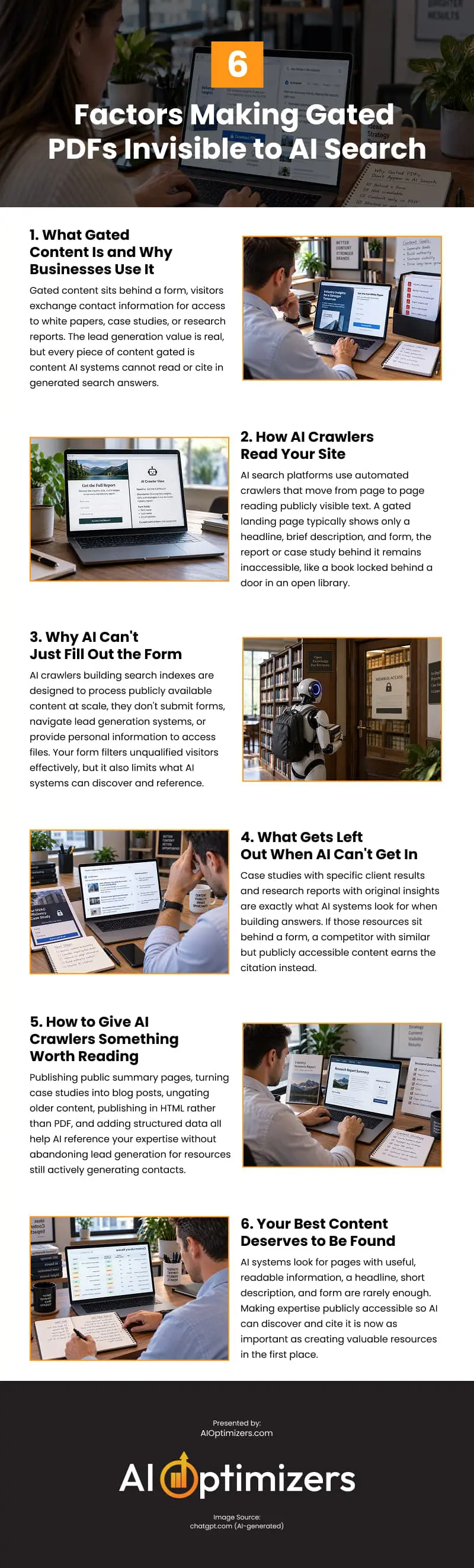
Businesses invest heavily in white papers, case studies, and research reports, but when those resources sit behind a lead generation form, AI search systems can’t see them. AI crawlers like those powering Google AI Overviews, ChatGPT, and Perplexity move through publicly available content at scale, reading visible text to build their indexes. A gated landing page typically shows only a headline, a brief description, and a form; everything behind it remains inaccessible. AI crawlers don’t submit forms or provide personal information to access files, meaning your form filters unqualified visitors and AI systems equally. The content left out is often the most valuable: case studies with specific client results and research reports with original insights are exactly what AI systems look for when building answers, and if that content is gated, a competitor with similar but publicly accessible content earns the citation instead. Targeted adjustments can close the gap without abandoning lead generation, publishing public summary pages, turning case studies into blog posts, ungating older content, publishing in HTML rather than PDF, and adding structured data all help AI reference your expertise. Making enough expertise publicly accessible for AI to discover and cite is now as important as creating valuable resources in the first place.
source: https://www.aioptimizers.com/why-your-gated-pdfs-are-invisible-to-ai-search/
Comments
Download this infographic.