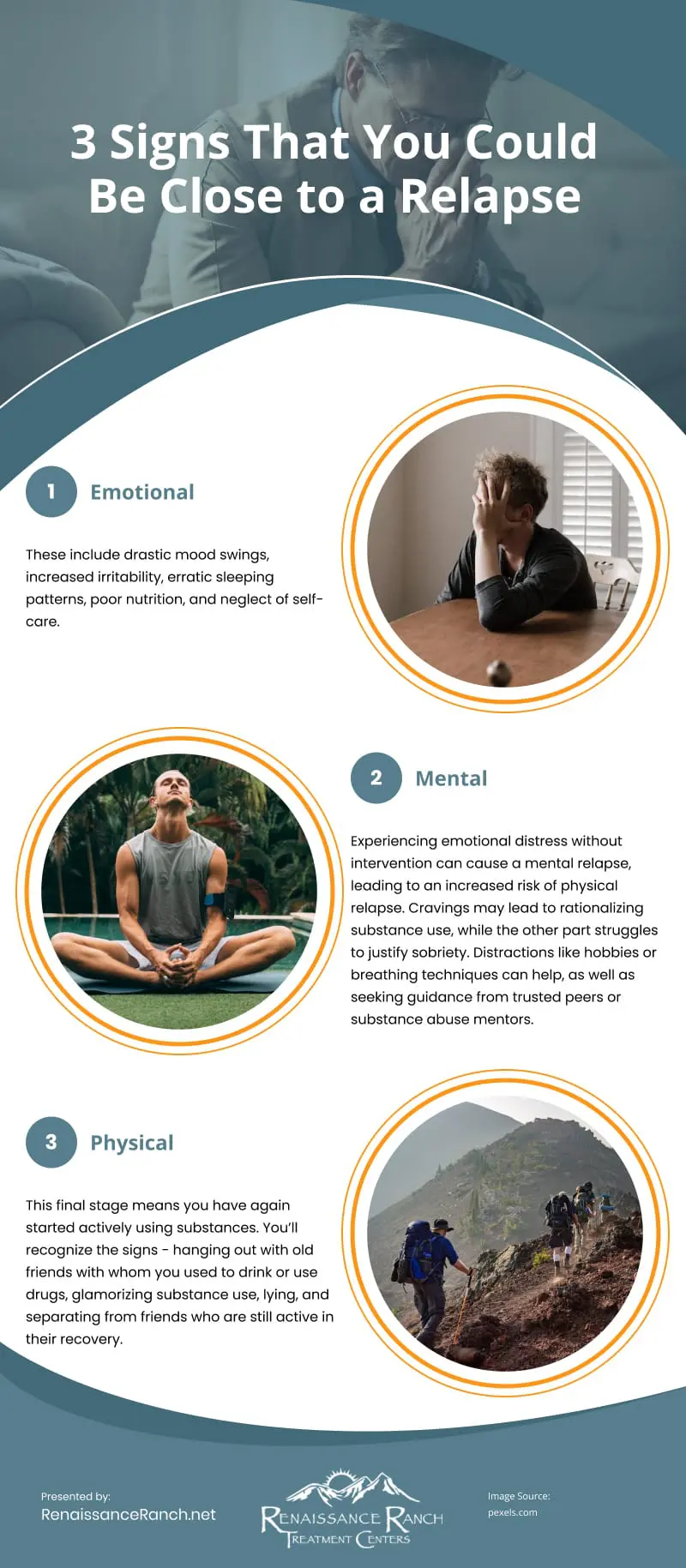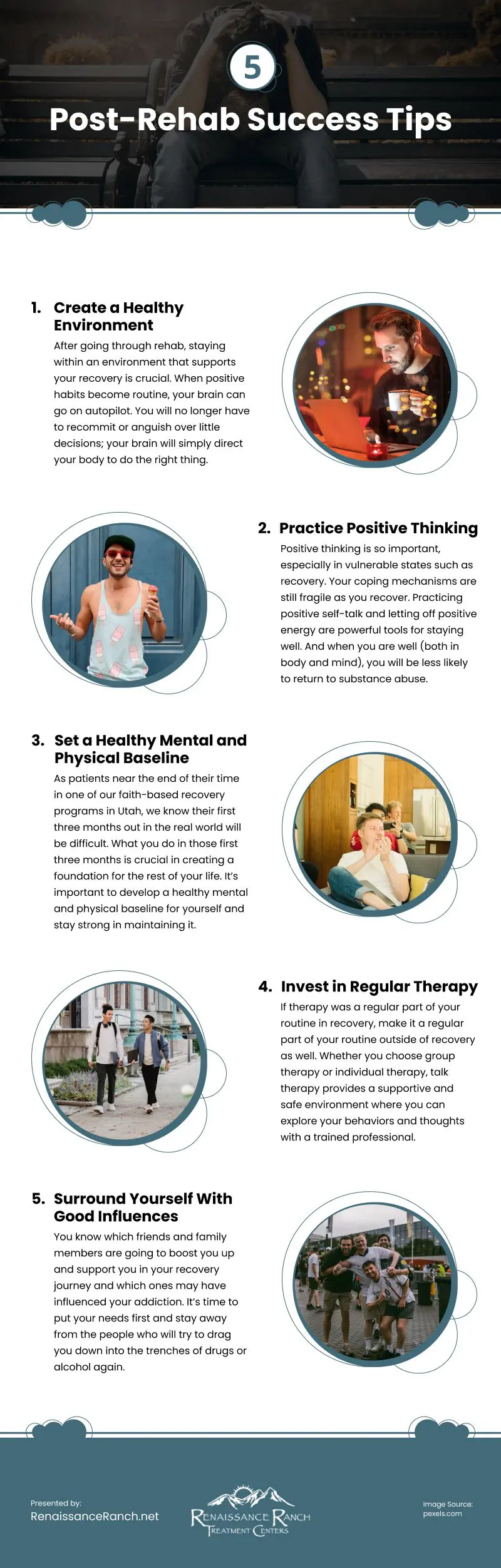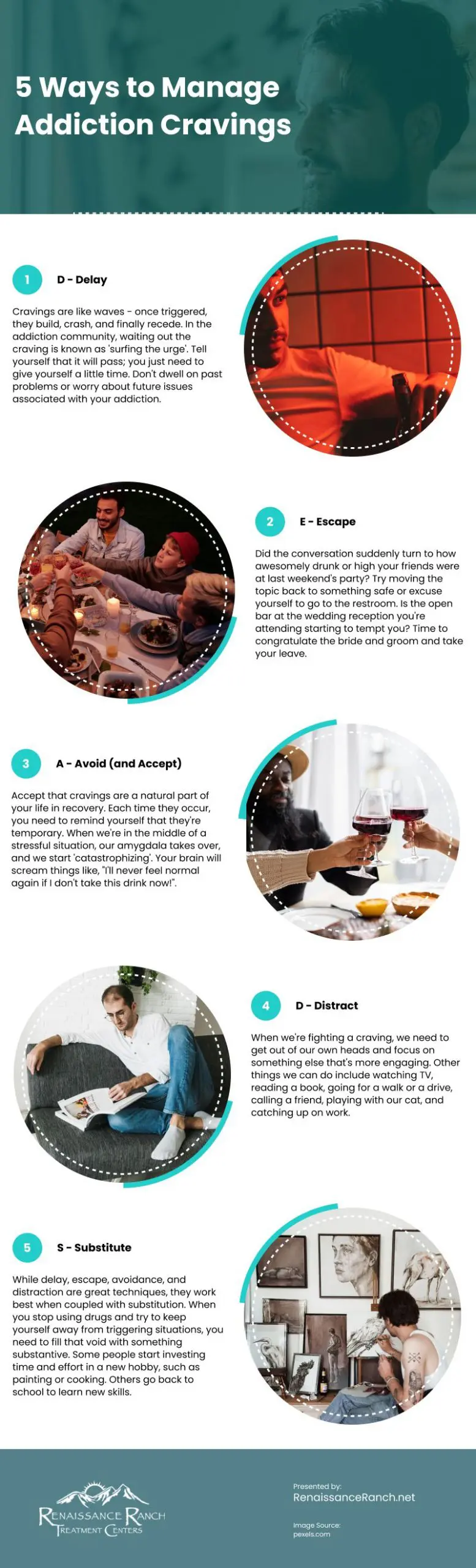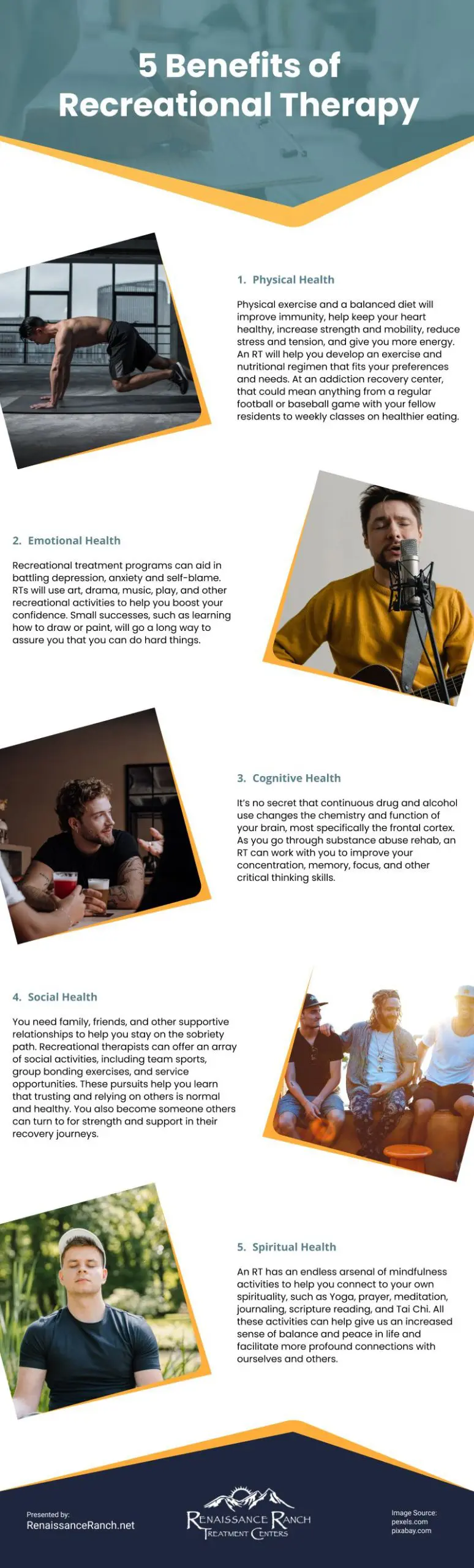
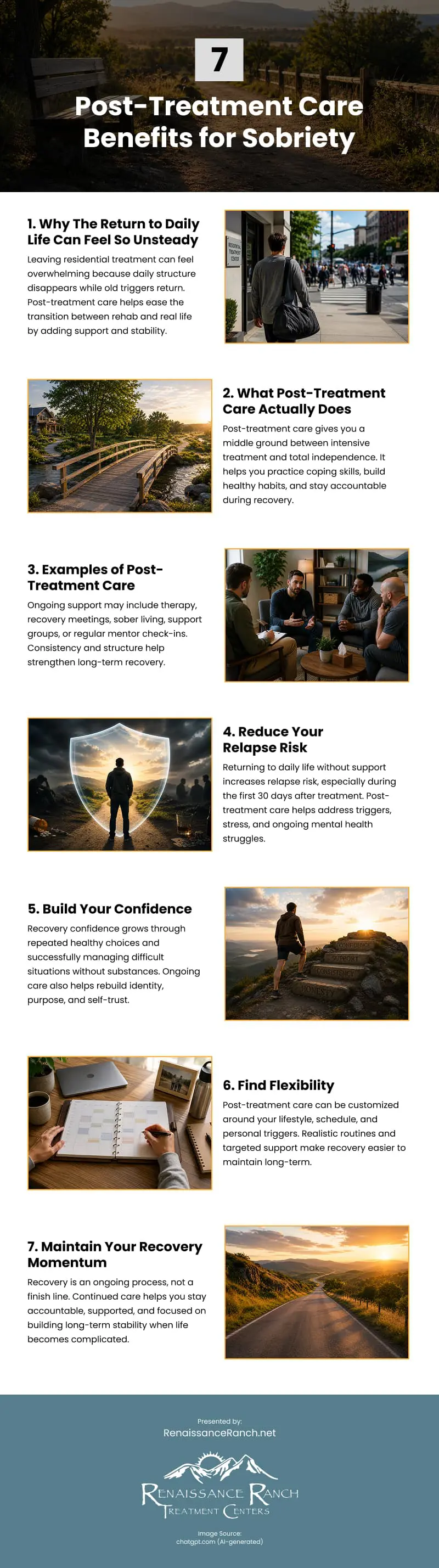
Most people assume the hardest part of recovery is getting through withdrawals or residential treatment. The truth is that the return to daily life can feel just as shaky. Structure disappears, old triggers come back, and independence arrives all at once. That is where post-treatment care comes in. Resources like sober living, support groups, therapy, and mentor check-ins create a bridge between rehab and real life. You keep the community and support of a treatment center, but you start choosing your own schedule and activities. This middle ground lets you practice coping skills, build healthy habits, and stay accountable along the way. It also lowers your relapse risk, which runs highest in the first 30 days after treatment, by helping you face triggers, stress, and ongoing mental health struggles. Confidence grows here, too. Every healthy choice and every tough moment handled without substances helps rebuild your identity, purpose, and self-trust. Best of all, this kind of care bends to fit your life. You can shape it around your schedule and personal triggers, so realistic routines make it easier to keep up with recovery. Remember, recovery is a process, not a finish line. Continued support keeps you accountable and focused on long-term stability, even when life gets complicated.
source: https://renaissanceranch.net/post-treatment-care-is-the-key-to-long-term-sobriety/
Comments
Download this infographic.