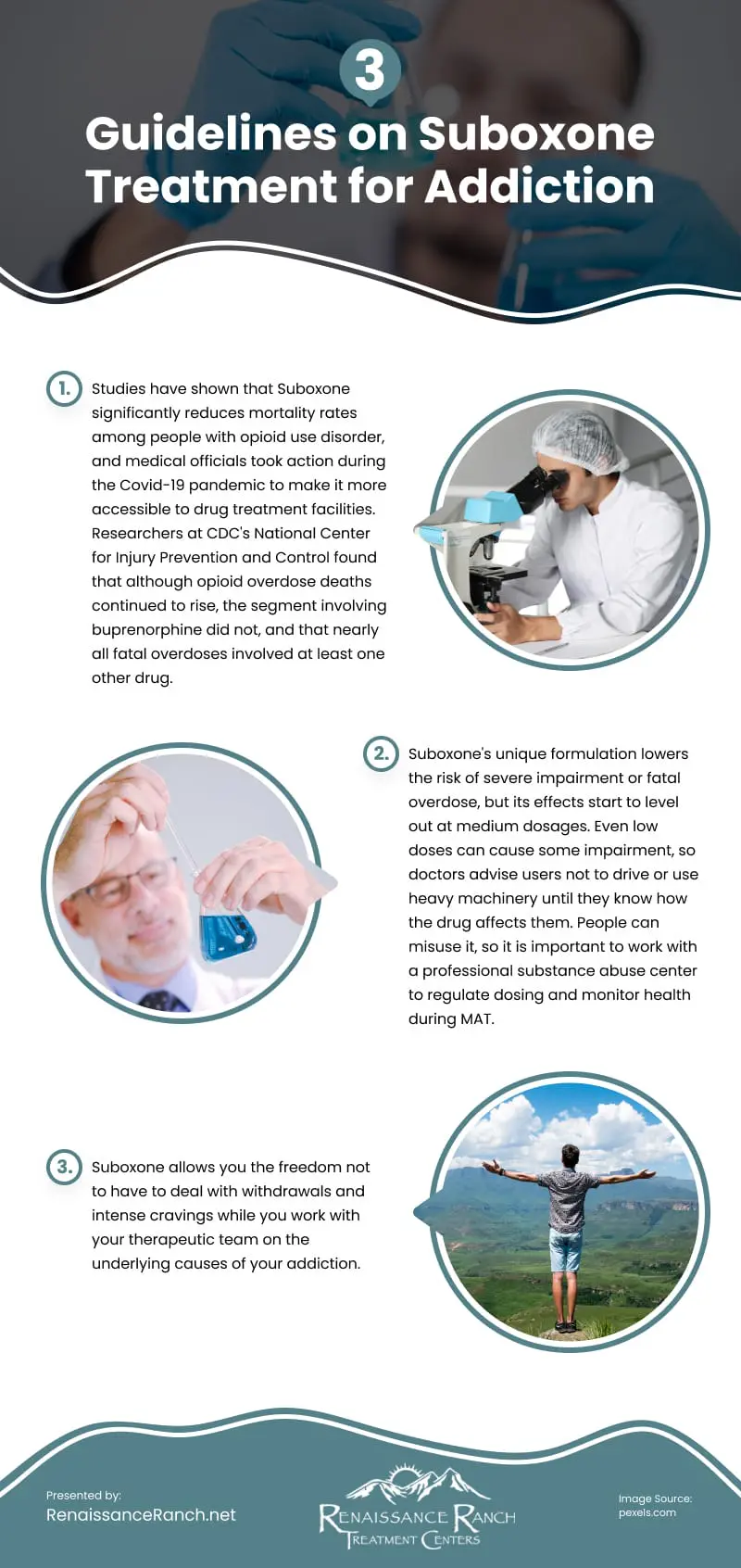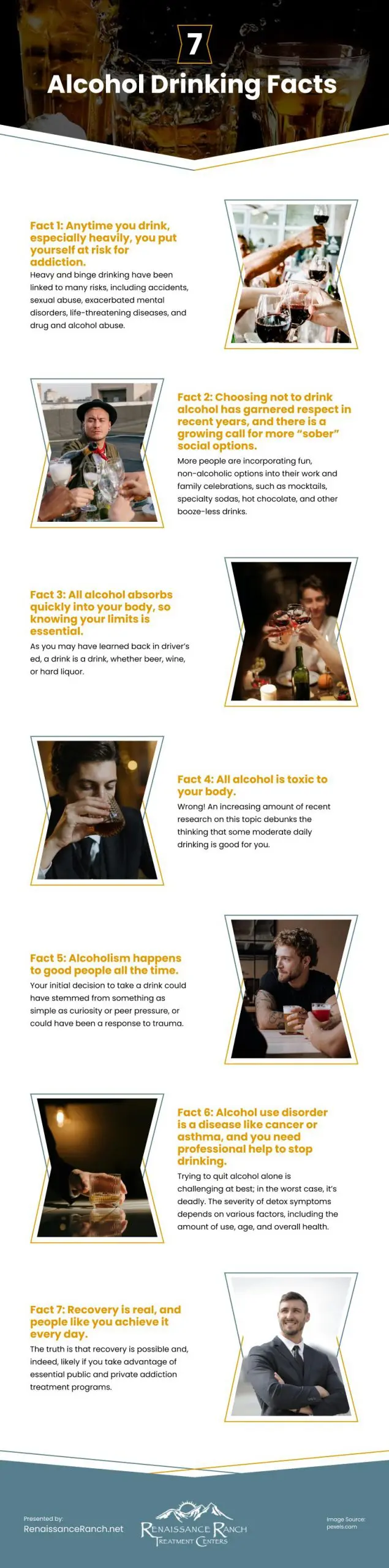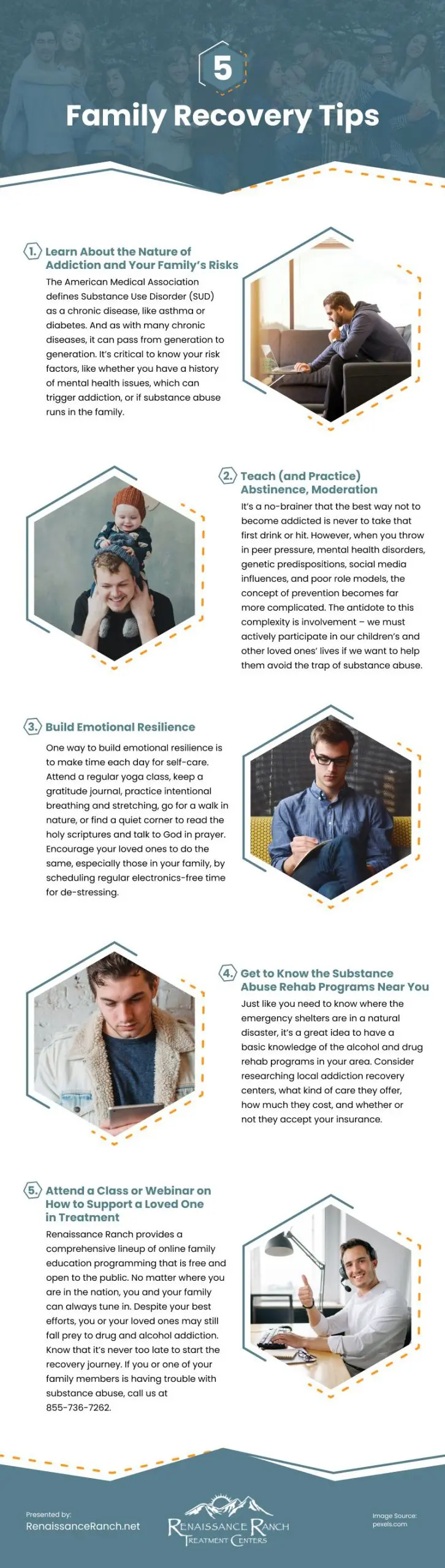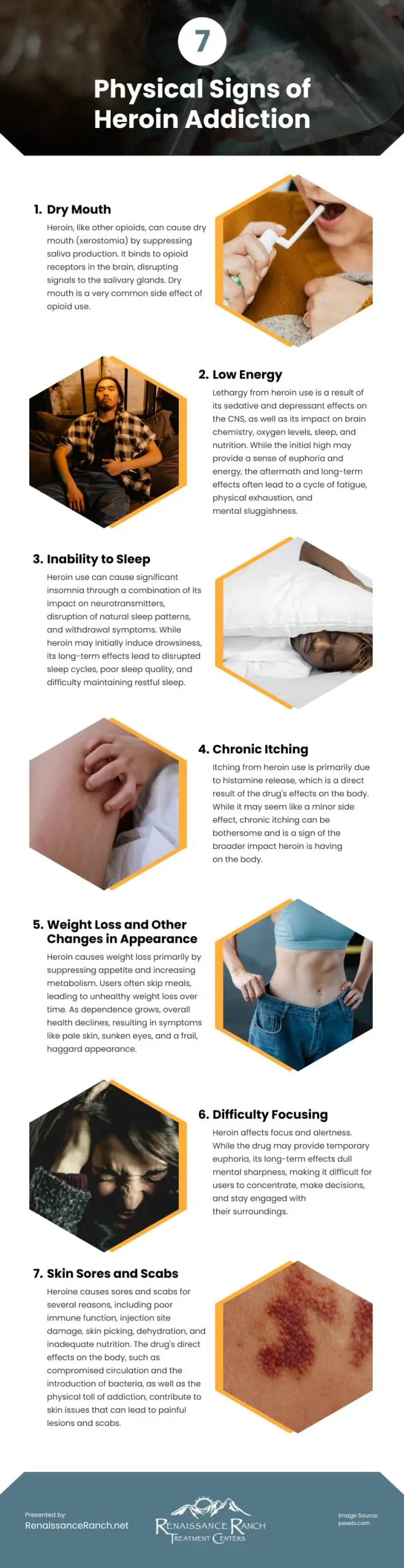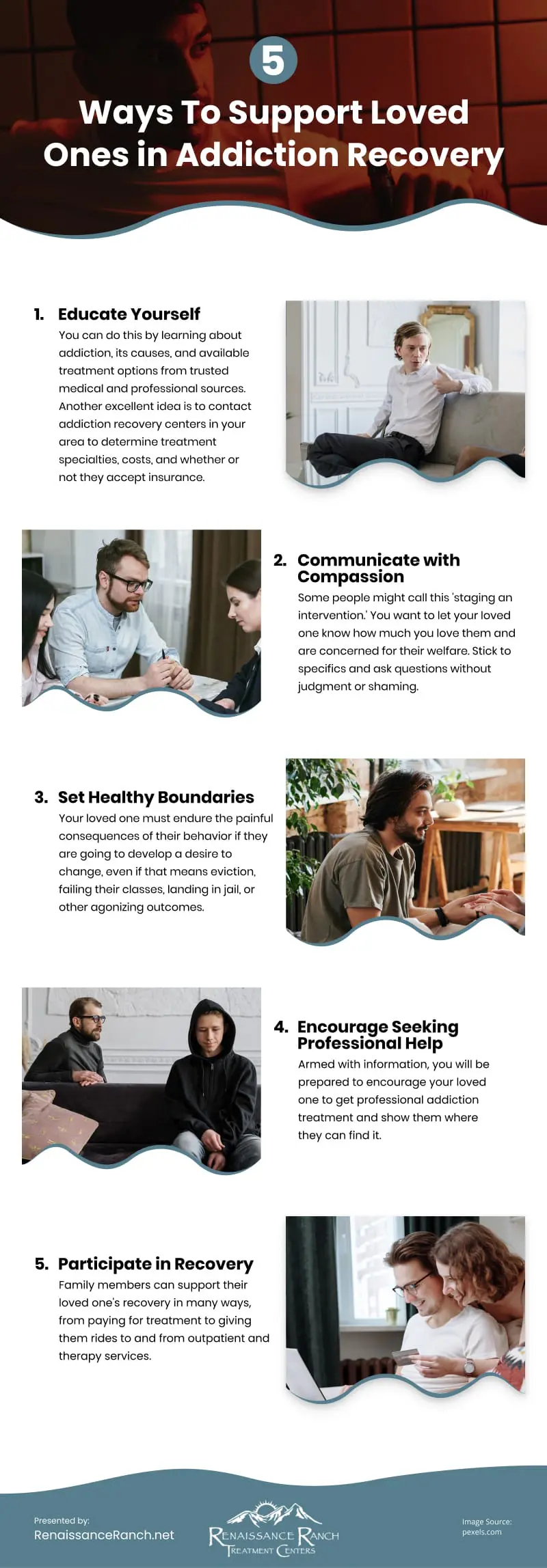
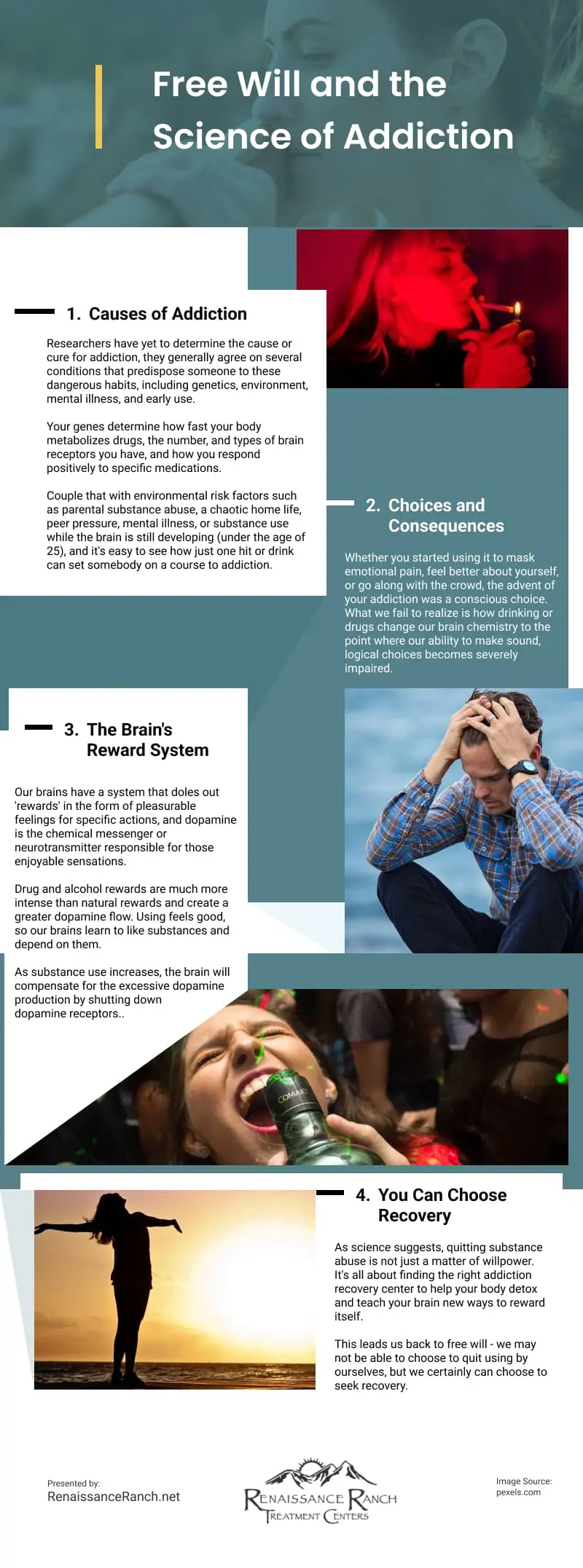
Addiction is widely recognized by medical professionals as a chronic disease, similar to conditions like diabetes or cancer, rather than a simple lack of willpower. While researchers have not identified a single cause or cure, addiction is influenced by a combination of genetic, environmental, and developmental factors. Genetics affect how the body processes substances and how the brain responds to them, while environmental influences such as family dynamics, peer pressure, mental health challenges, and early exposure can increase vulnerability, especially before the brain is fully developed. Although substance use often begins as a conscious choice, repeated use changes brain chemistry in ways that impair judgment and decision-making. Drugs and alcohol strongly activate the brain’s reward system by flooding it with dopamine, creating intense pleasurable sensations that train the brain to seek substances over natural rewards. Over time, the brain adapts by reducing dopamine receptors, making it harder to feel pleasure without substances and reinforcing dependence. This biological cycle helps explain why quitting is so difficult without support. Recovery is not simply about willpower; it involves medical care, detoxification, and learning healthier ways for the brain to experience reward and balance. While addiction can take control of behavior, individuals still have the power to choose help. Seeking professional treatment offers a path forward, allowing people to rebuild their lives and regain control through informed care and ongoing support.
source: https://renaissanceranch.net/free-will-and-the-science-of-addiction/
Comments
Download this infographic.