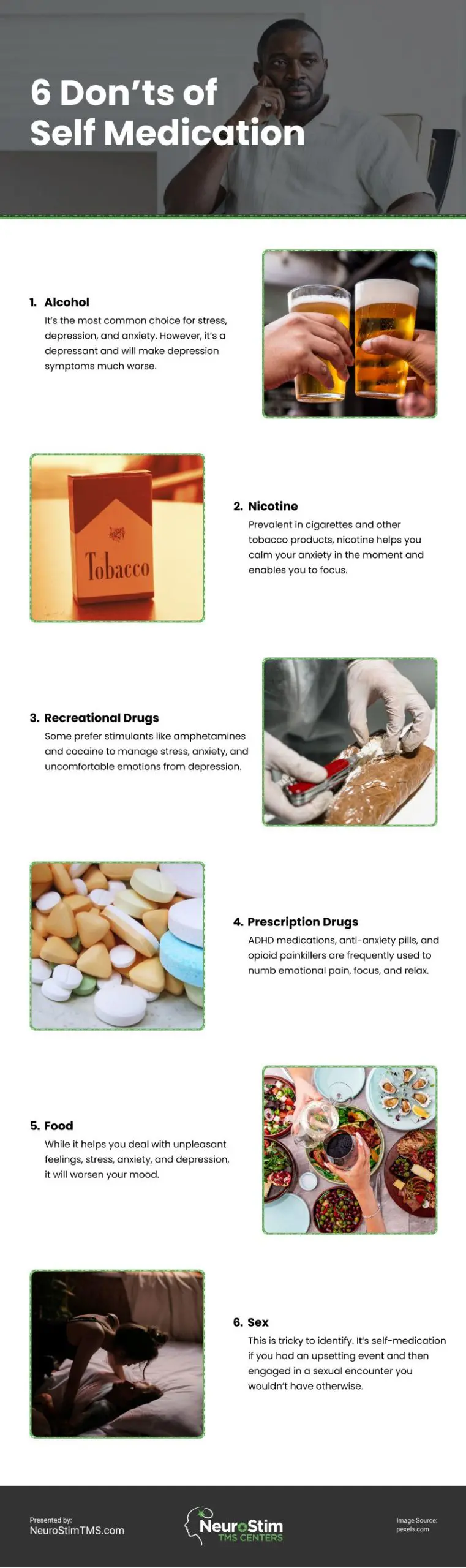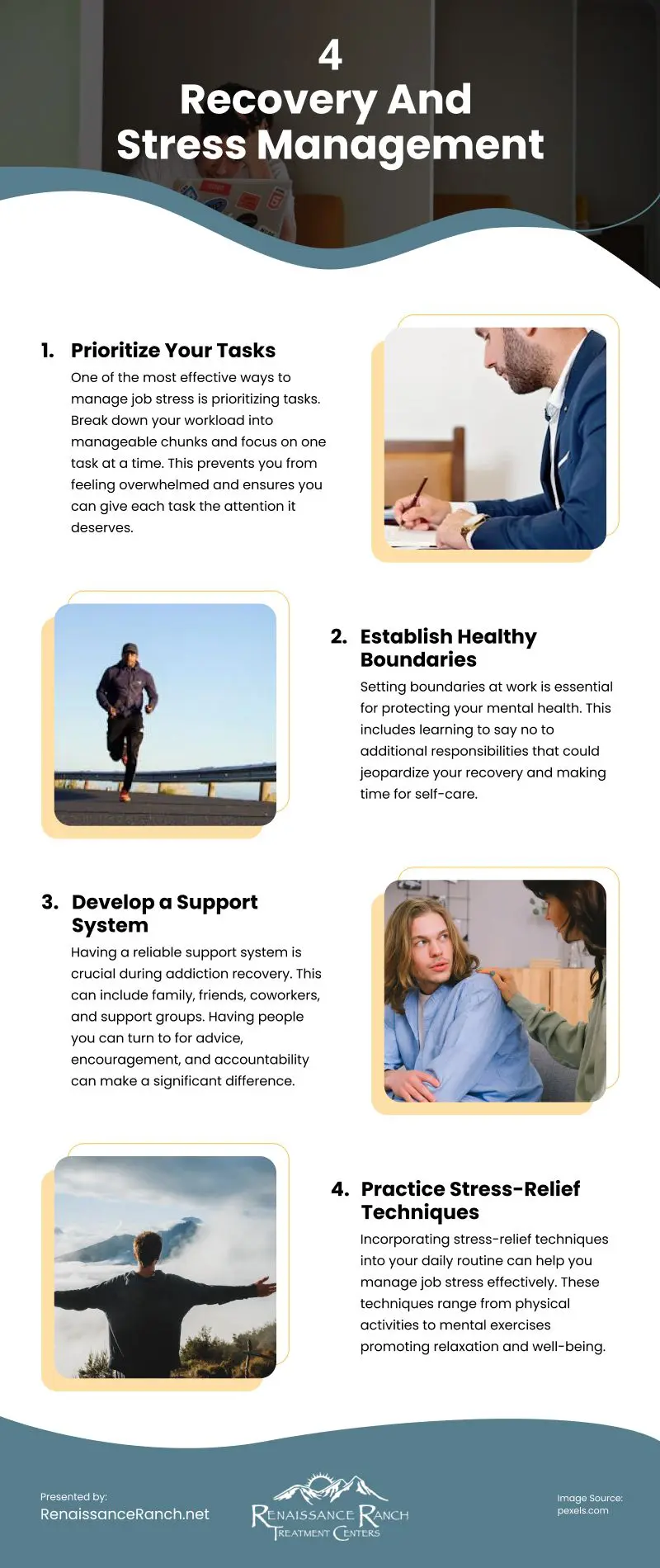
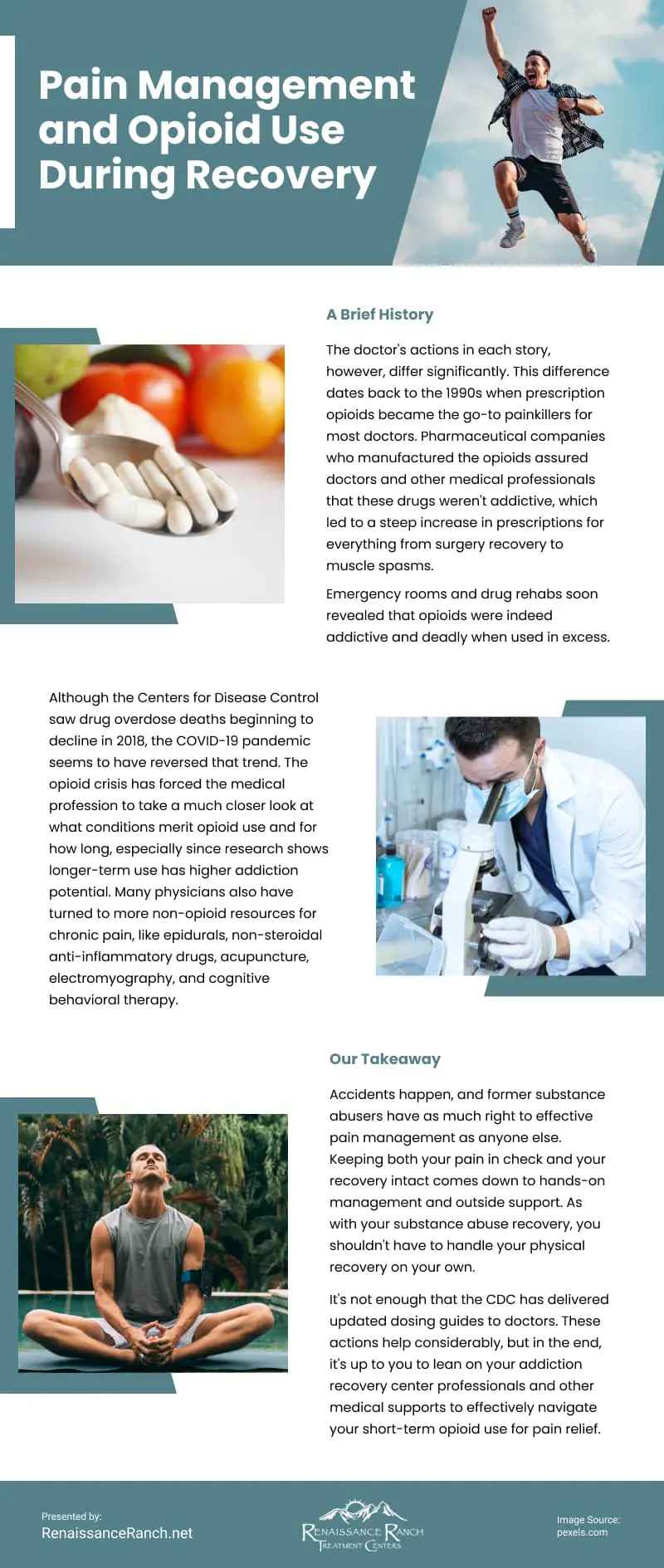
The rise of prescription opioids in the 1990s, fueled by the belief that they were non-addictive, led to a dramatic increase in their use for various conditions, from post-surgery recovery to muscle spasms. However, the reality of their addictive nature became evident, contributing to a widespread opioid crisis that continues to affect many, exacerbated by the COVID-19 pandemic. As a result, the medical profession has re-evaluated the circumstances under which opioids should be prescribed, with an emphasis on short-term use and an exploration of non-opioid alternatives such as epidurals, non-steroidal anti-inflammatory drugs, acupuncture, and cognitive behavioral therapy. It is crucial for individuals, particularly those with a history of substance abuse, to receive effective pain management during recovery. This requires a combination of hands-on management and support from addiction recovery professionals and medical staff. While organizations like the CDC provide updated guidelines and medical schools are enhancing their curricula on substance use, the onus remains on patients to actively engage with their recovery teams to navigate their pain relief options responsibly, ensuring both their physical and recovery journeys are carefully balanced.
source: https://renaissanceranch.net/pain-management-and-opioid-use-during-recovery/
Comments
Download this infographic.