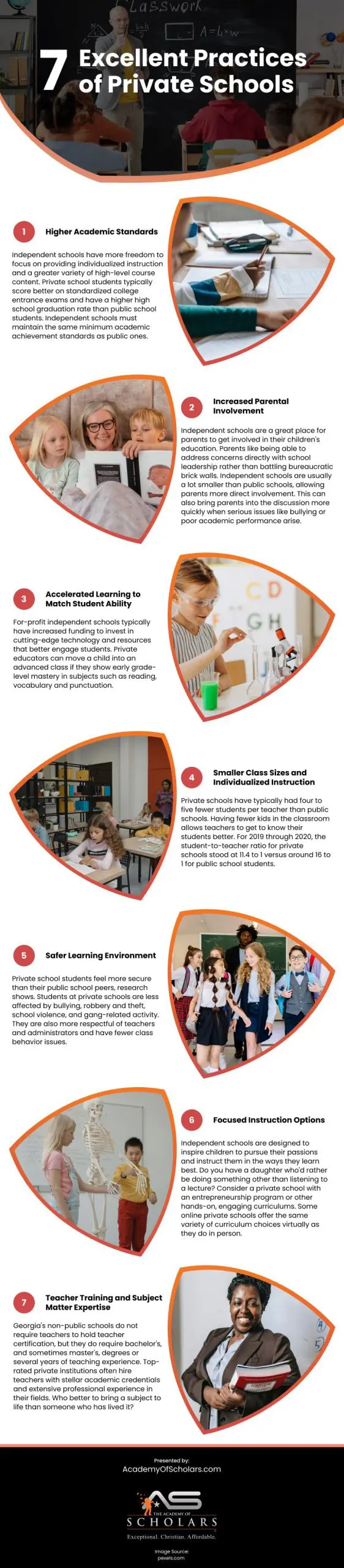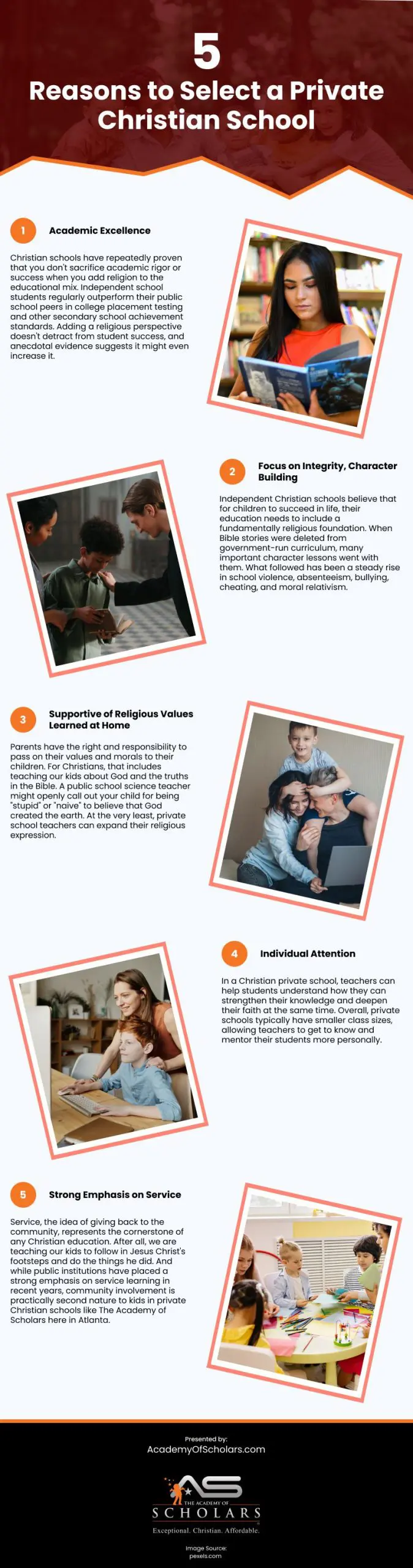
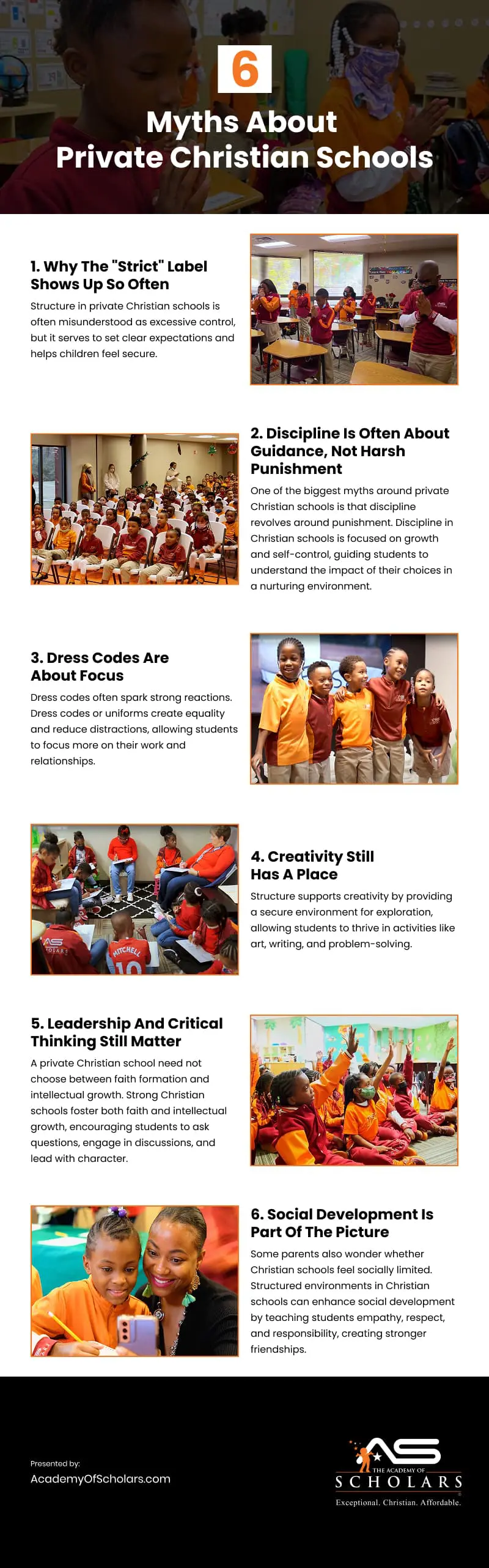
Private Christian schools are often associated with stereotypes of strict rules, harsh discipline, limited self-expression, and highly controlled environments. In reality, many of these perceptions overlook the purpose behind the structure that strong Christian schools provide. Rather than focusing on control, clear expectations often create consistency, stability, and a sense of security that helps students thrive academically and socially. Discipline is typically designed to encourage personal growth, responsibility, and self-control rather than punishment, helping students understand the consequences of their choices in a supportive setting. Dress codes and uniforms, while sometimes viewed as restrictive, are often intended to reduce distractions, minimize social pressures, and create a greater sense of equality among students. At the same time, structure does not eliminate creativity. Many Christian schools encourage artistic expression, writing, innovation, problem-solving, and other forms of creative exploration within an environment that provides guidance and support. Academic development remains a priority as well. Effective Christian education combines faith formation with intellectual growth, encouraging students to ask thoughtful questions, engage in meaningful discussions, develop leadership skills, and think critically about the world around them. Social development is another important aspect of the experience. By emphasizing values such as empathy, respect, accountability, and service, Christian schools often help students build healthy relationships and stronger friendships. For many families, the structured environment of a private Christian school provides a balanced approach that supports character development, academic achievement, creativity, leadership, and social growth.
source: https://academyofscholars.com/are-private-christian-schools-too-strict-clearing-up-the-myths/
Comments
Download this infographic.