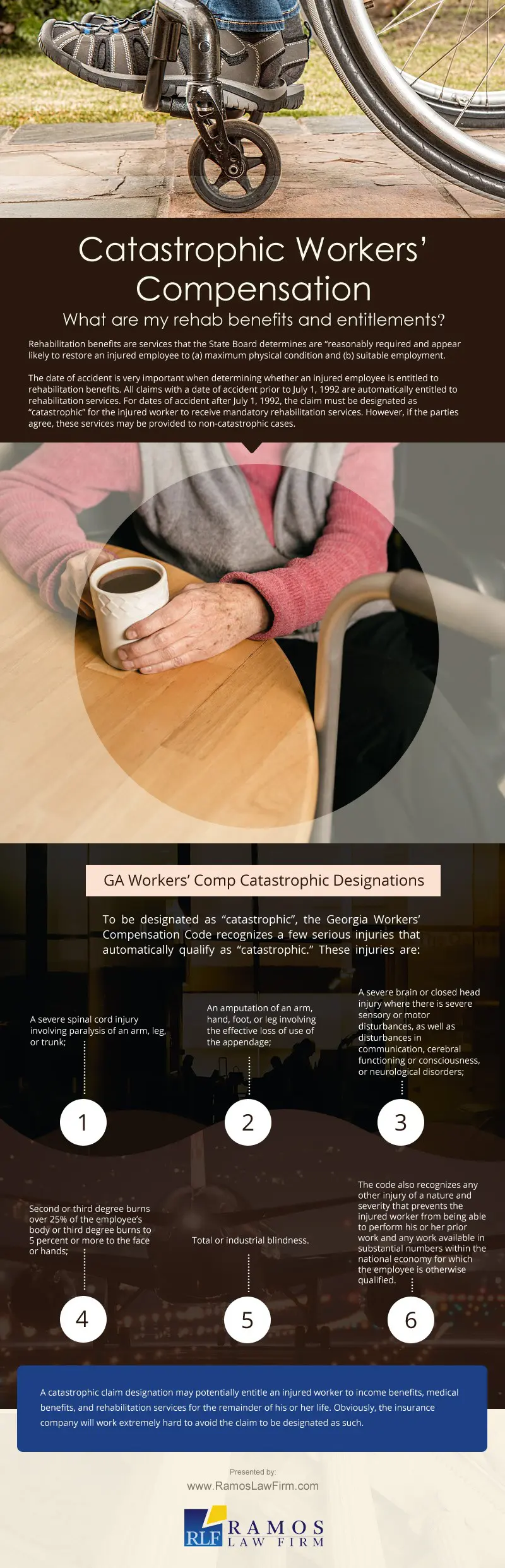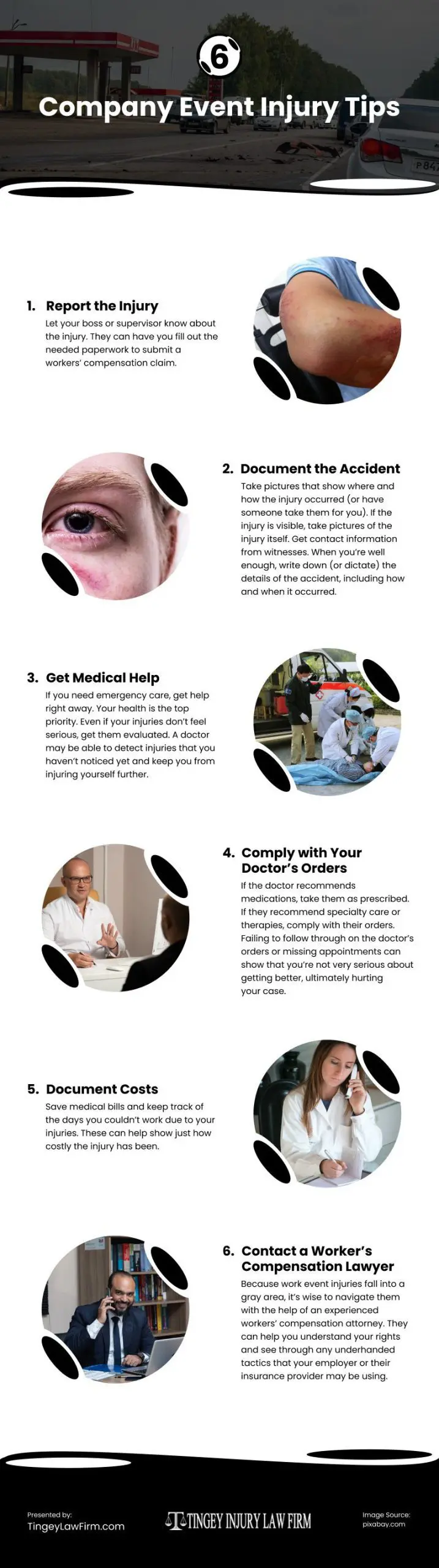

Workers’ compensation is a state-mandated insurance program that provides medical care and financial benefits to employees injured on the job, and in many cases supports a full recovery and return to work. However, claims can be delayed, denied, or result in settlements that fall short of covering medical expenses, lost wages, and long-term needs. Problems often arise when employers or insurance carriers miss deadlines, make it difficult to complete required forms within the seven-day window, delay paperwork, or when treating physicians fail to submit documentation on time. By law, workers’ compensation must accept or deny a completed claim within 30 days, yet setbacks during this process can jeopardize benefits. Some injured workers also face retaliation, such as termination, reduced hours, lost opportunities, or pressure to return before they are medically ready, all of which may be illegal. Claims may be disputed if employers argue the injury occurred outside of work or was related to a pre-existing condition. Even when approved, settlements are often calculated using standardized protocols that tend to minimize payouts. Situations involving permanent partial or total disability are especially complex and frequently contested, as they carry long-term consequences for both the worker and the insurer. In these challenging circumstances, consulting a lawyer can help protect your rights, address delays or retaliation, and pursue fair compensation when the system does not fully account for the impact of your injury.
source: https://tingeylawfirm.com/when-to-say-no-to-workers-comp-and-hello-to-a-lawyer/
Comments
Download this infographic.